
Global storage fleet awarded, contracted, in deployment (GWh)
deployments
Locations
Wärtsilä’s mature GEMS Digital Energy Platform is a smart software platform that monitors, controls and optimises energy assets on both site and portfolio levels. GEMS optimises system performance while reducing costs. GEMS also dynamically adapts to changes in the market conditions, future-proofing your energy assets.

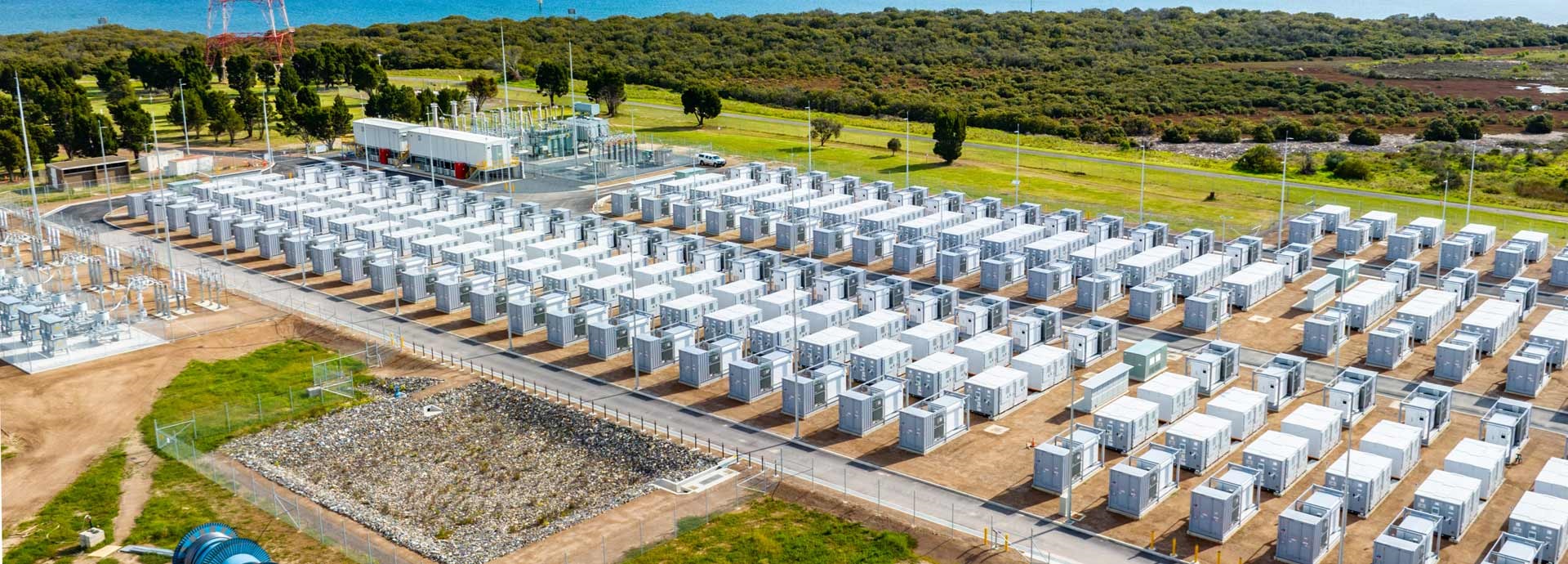
Wärtsilä’s GridSolv Quantum is a fully integrated energy storage solution. Its modular and scalable design enables ease of deployment and sustainable energy optimisation. The solution supports the integration of storage into electricity grids and the increase of renewables, ensuring the lowest lifecycle costs and the smallest system footprint.

We offer unrivaled solutions to the most pressing energy challenges, including the integration of more renewables.
Wärtsilä Energy Storage & Optimisation (ES&O) is a leader in game-changing products and technologies to the global power industry. We’re integrating end-to-end grid solutions that build a resilient, intelligent and flexible energy infrastructure.
Combined with the deep global resources and expertise, we seamlessly integrate traditional and renewable power sources, provide visibility into critical energy systems and optimise multiple generation assets, all while delivering unsurpassed reliability, flexibility and safety to energy operators around the world.
The Power Plant Controller conducts intelligent power control and energy management operations at plants of all sizes.
Hosted in the cloud, the Fleet Director provides centralised, real-time visibility into a global fleet of power plants.
The Grid Controller conducts intelligent grid control and optimised power management for microgrids of all sizes.
We offer unrivaled solutions to the most pressing energy challenges, including the integration of more renewables.


